Custom Metal and Aluminum Equipment Nameplates
A metal nameplate is a durable identification plate fixed to a piece of equipment, carrying the branding, ratings, serial numbers, and information that identify it and let it be tracked for its entire service life. NPI – Nameplates Inc. manufactures custom nameplates in aluminum, stainless steel, brass, Metalphoto® anodized aluminum, and plastic, built to withstand up to 25 years of outdoor exposure.
From a single prototype plate to a full production run, we recommend the material, marking process, and mounting method that fit where the nameplate will live and how long it needs to last.
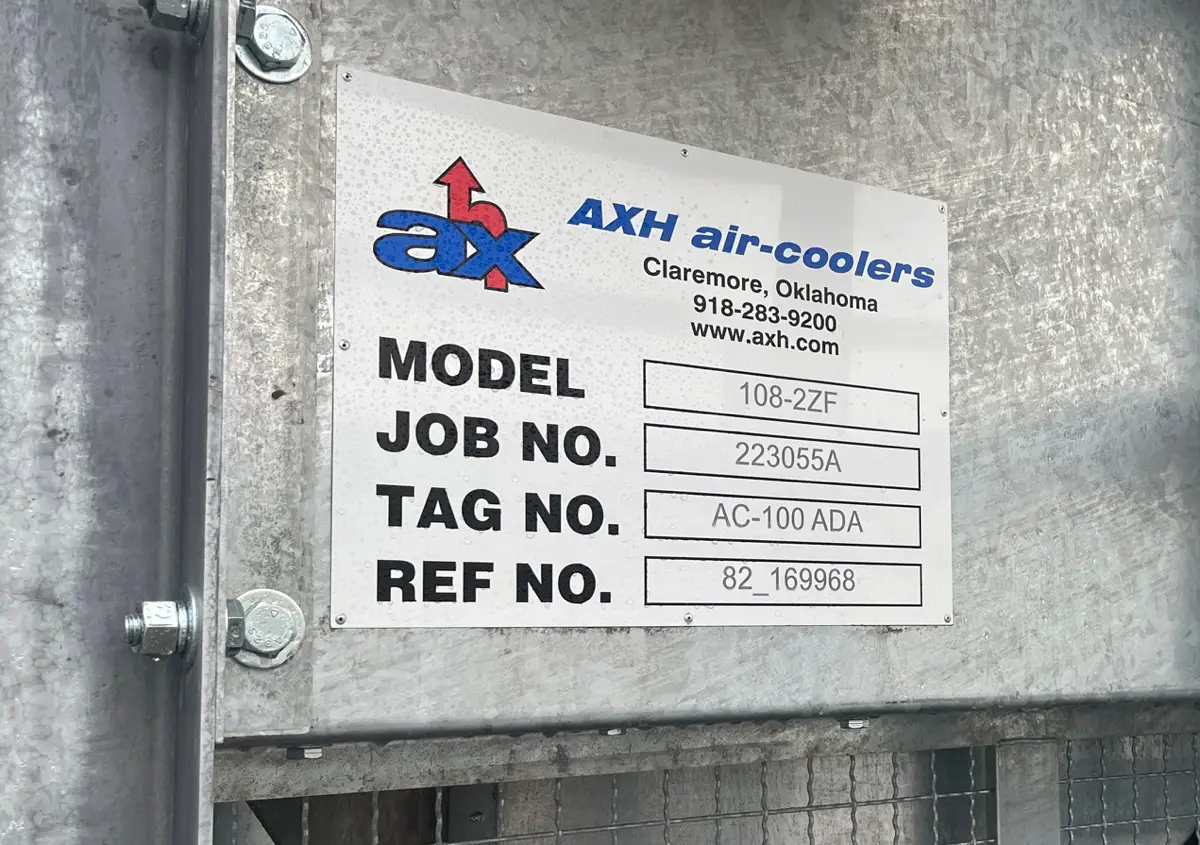
Nameplates in the Field
Precision-etched, embossed, and screen-printed metal nameplates for equipment, machinery, and industrial products.
Project Gallery →What's the Difference Between a Nameplate, a Rating Plate, and a Data Plate?
These terms overlap, and all three are identification plates, but they emphasize different information. An equipment nameplate identifies the product with a name, logo, and model. A rating plate shows electrical or performance ratings, such as voltage, wattage, or pressure. A data plate carries the technical details and serial or part numbers used to track a unit through its life.
The reason to choose a metal plate for any of them comes down to two things: durability and tracking. A metal nameplate keeps that information legible for decades, in conditions that would fade or destroy an ordinary label.
Nameplate Materials
The material sets how a nameplate looks and how long it survives. We manufacture nameplates in five core materials and recommend the one that fits your environment.
Aluminum
Aluminum is lightweight, strong, and economical, with high resistance to oxidation, abrasion, rust, and corrosion. It is the most common choice for general equipment nameplates, rating plates, and data plates.
Stainless Steel
Stainless steel is extremely durable, retaining its sheen and standing up to abrasion for years after production. It is a strong choice for high-heat, marine, and corrosive settings.
Brass
Brass handles extremes of temperature, salt spray, and sun exposure, and it is explosion-proof, which makes it well suited to demanding environments and premium, branded plates.
Metalphoto® Anodized Aluminum
Metalphoto® is photosensitive anodized aluminum with a high-resolution image sealed beneath the surface. As a certified Metalphoto® converter, NPI produces plates with excellent resistance to temperature, abrasion, corrosion, and chemicals, holding a legible image for decades without fading or chipping.
Plastic
Plastic nameplates are a lightweight, cost-effective option for indoor equipment and applications where metal isn't required, available in a range of colors and finishes.
Printing, Etching & Marking
We mark nameplates using the process that fits the material, the environment, and the run. We screen print, digitally print, chemically etch, laser mark, and produce Metalphoto® plates, and we recommend the method that gives you the durability and detail you need. Chemical etching recesses the design into the metal for a wear-resistant mark that holds up in demanding conditions, while laser marking and Metalphoto® deliver permanent, high-resolution results.
Mounting, Thickness & Finishing
We produce nameplates in thicknesses from .003 to .125 inches and finish them to your specification. Plates can be die cut, digitally cut, laminated, or machined, with mounting to match your assembly: permanent adhesive backing, or holes for rivets or screws. We specify the adhesive to fit the surface so the plate stays where it belongs.
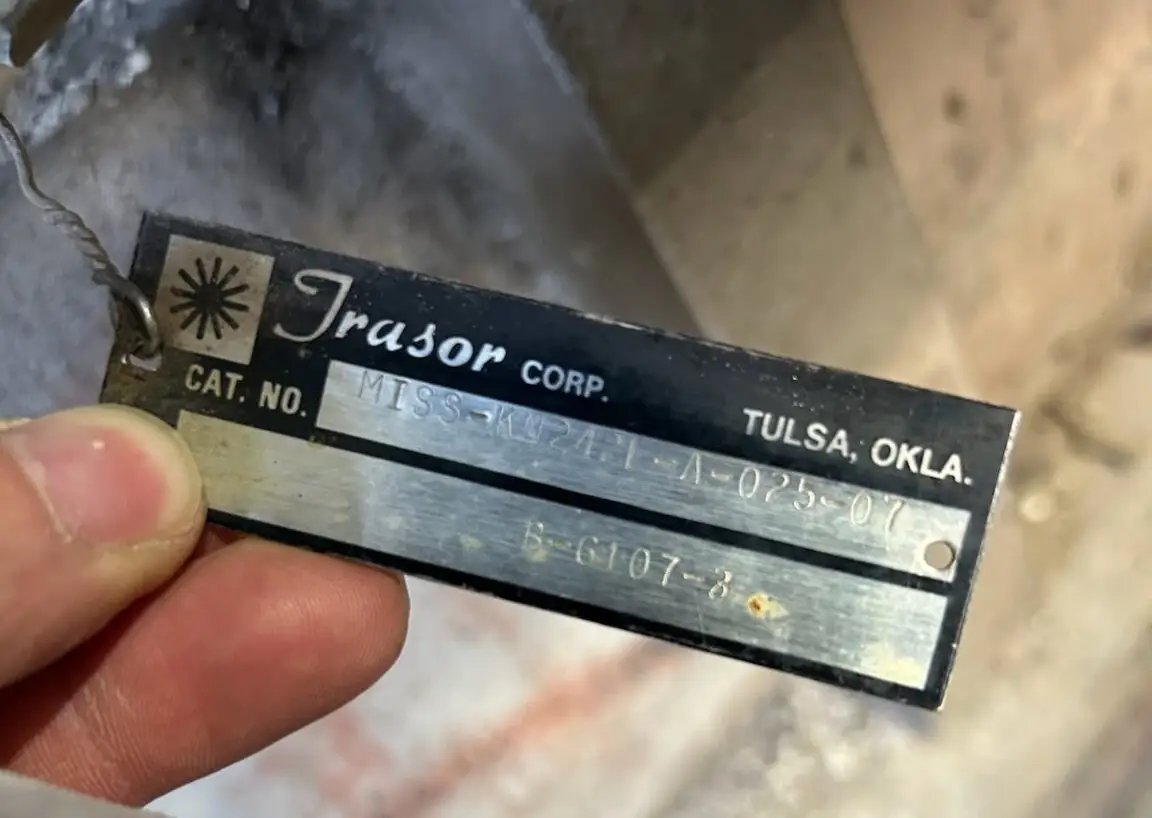
Built to Last up to 25 Years Outdoors
Industrial nameplates from NPI can withstand up to 25 years of outdoor exposure, resisting corrosion, weather, and chemicals. We match the material, marking, and finish to the environment so the plate stays legible for the life of the equipment it identifies.
Start Your Project
Need nameplates that will outlast the equipment they’re on? Request a quote or talk to a product identification expert, and we’ll help you choose the material, marking, and mounting for your application.