Barcode and QR Code Marking for Industrial Identification
NPI – Nameplates Inc. marks barcodes, QR codes, and serial numbers onto decals, nameplates, and tags using variable data printing, so every part carries its own unique, scannable identification. This connects each unit to its part number, batch, and service history for asset tracking, inventory, and traceability. The codes are printed on durable materials built to stay scannable for the life of the product.
What Are Barcodes and QR Codes on Industrial Products?
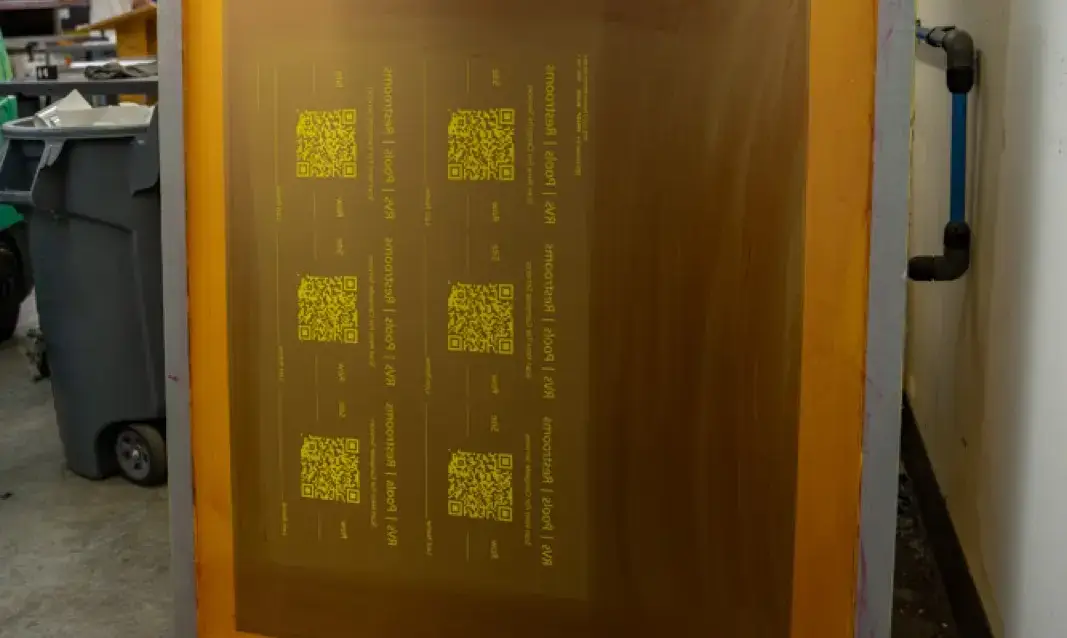
A barcode or QR code is a machine-readable mark that stores identifying data — a part number, serial number, or link to a record — in a pattern a scanner can read instantly. On industrial products, these codes turn a nameplate, decal, or tag into a scannable entry point for tracking that item through manufacturing, sale, and service. They’re created through variable data printing, which lets every piece in a run carry its own unique information instead of one repeated design.
What's the Difference Between a Barcode and a QR Code?
Both encode data a scanner reads, but they hold different amounts and are read in different ways. The right one depends on how much information the code needs to carry and how it will be scanned.
| ATTRIBUTE | BARCODE (1D) | QR CODE (2D) |
|---|---|---|
| Format | Parallel lines | Square grid of modules |
| Data capacity | Lower — part and asset numbers, short codes | Higher — long strings, links, detailed data |
| Scanning | Laser scanner, needs alignment | Camera or imager, read from any orientation |
| Best for | Fast, simple item and asset numbering | More data, or more data in less space |
What Codes and Data Can NPI Print?
We print the full range of variable data used for industrial identification and tracking:
Barcodes (1D)
Linear codes for item, part, and asset numbers.
QR Codes (2D)
High-capacity codes for links, detailed data, and more information in less space.
Serial Numbers
Unique numbers identifying each individual unit.
Sequential Numbering
Automatically incremented numbering across an entire run.
Batch & Date Codes
Lot, batch, and date information for traceability.
What Is Barcode and QR Code Marking Used For?
Scannable identification earns its value in the field, where it links a physical part to its digital record:
- Asset Tracking — tag and track equipment, tools, and property throughout their life.
- Inventory Management — keep stock, parts, and materials organized and scannable.
- Traceability — connect each unit to its batch, part number, and service history.
- Warranty & Service — pull up records instantly by scanning the code.
- Compliance & Audits — support the documentation and audit trail your industry requires.
Do the Codes Stay Scannable Over Time?
A code is only useful if it can still be read years later, and that comes down to what it’s printed on and how. A barcode on a paper label fades, peels, and stops scanning; the same code chemically etched into stainless steel or printed on durable polyester keeps working through heat, chemicals, abrasion, and weather. We print variable data on the same durable substrates and with the same durable processes as the rest of our identification, so the codes stay scannable for the life of the product they track.
Durable codes start with durable materials. The value of a serialized barcode or QR code depends on the plate, tag, or decal underneath it holding up in the field. See how we build that durability into every substrate.
Start Your Project
Need serialized barcodes or QR codes on your parts? Request a quote or talk to a product identification expert, and we’ll help you choose the code, data format, and durable material for your application.